


Two drivers can own the same chassis and sit in completely different cars. One runs upright with the pedals low, like a GT3 machine. The other lies back with the pedals raised, like a single seater. Same frame, different geometry, very different feel.
Which layout suits you depends on what you race and how your body sits. Let us break down both positions properly, then look at how to switch between them without needing tools you do not own.
What defines a GT seating position?
GT geometry copies a road based race car. The backrest sits fairly upright, usually somewhere between twenty and thirty five degrees from vertical. Your hips sit higher than your heels, and the pedals stay close to floor level.
Visibility is the main benefit. You look over the wheel and across the bonnet, which helps in traffic and in close racing. Entry and exit are easy too, so shared rigs almost always start here.
The wheel sits at a noticeable angle, tilted toward you rather than lying flat. That angle suits larger diameter rims and round GT style wheels, which is exactly what most endurance and touring car racing uses.

SIMGASM | Core Bucket Racing Seat - Black
Who should choose GT?
Choose GT if you race sports cars, touring cars, rally or anything with a roof. Choose it as well if several people use the rig, because it forgives differences in leg length far better than a laid back layout.
Beginners benefit too. The upright posture feels natural, so you focus on driving rather than on unfamiliar ergonomics.
What defines a formula seating position?
Formula geometry does the opposite. The backrest reclines heavily, often past forty five degrees. The pedals rise well above your hips, so your legs extend forward and slightly upward.
The wheel moves closer and flatter, sitting almost horizontal in your lap. Steering becomes a short, precise motion rather than a large sweep. Rotation is limited in single seaters, so you rarely cross your hands.
Immersion is the reward. Sitting low and reclined puts your eyes close to the ground, and speed feels different. Neck strain also drops during long stints, because the seat carries part of your head weight.
What does formula demand from your frame?
More than GT does. Raising the pedal deck moves braking force higher up the chassis, which increases leverage on the frame. A shallow profile will show that as flex, especially with strong load cell pedals.
This is where profile depth earns its keep. Sport uses a 40 x 120 mm main profile and Pro uses 40 x 160 mm, both rated at 300 kg braking load at the pedal deck. That reserve keeps a raised pedal box stable under full pressure.
Can one cockpit do both?
Yes, and that is the real argument for aluminium profile. T slot beams let brackets slide anywhere along their length, so pedal height, pedal angle, wheel height and seat recline all move independently.
On the SIMGASM range, the pedal deck offers repeatable height and angle adjustment, which lets you move from a GT position to a formula style setup in minutes. You loosen, slide, align and retighten. No drilling, no new parts.
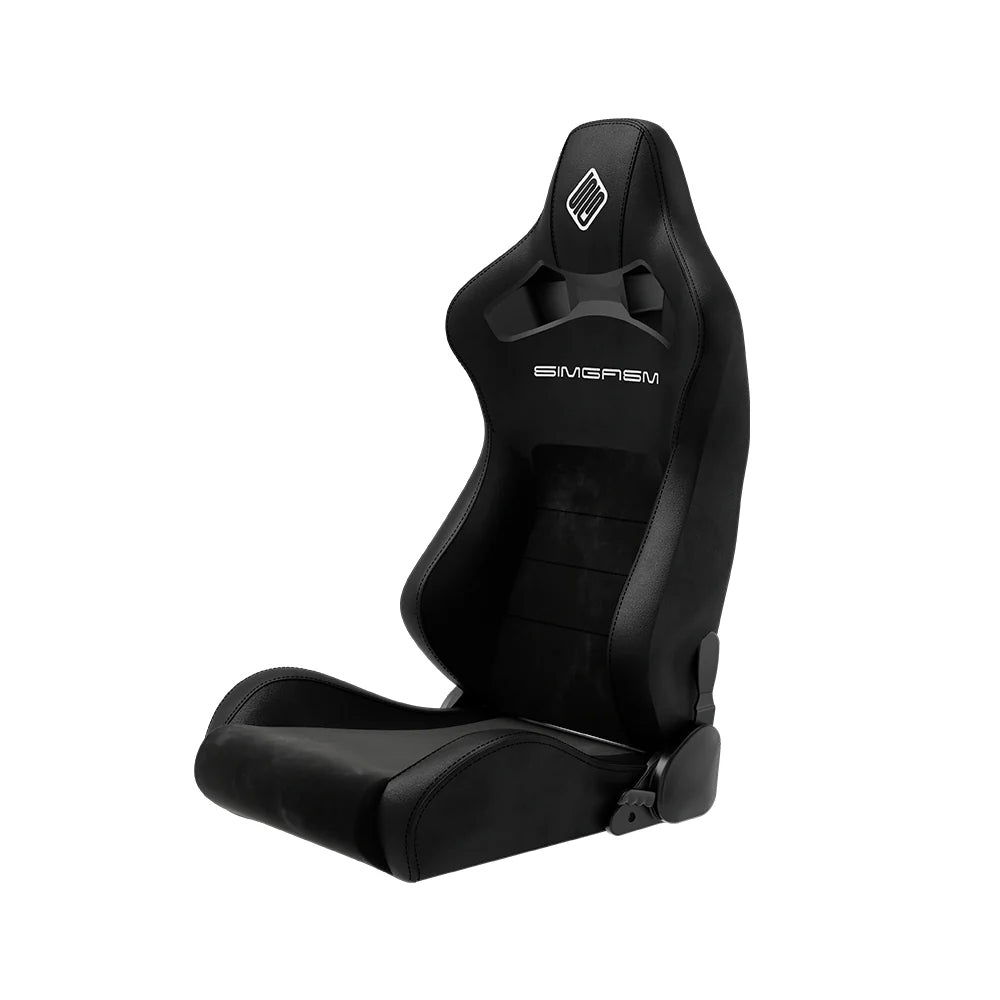
SIMGASM | Core Recline Seat - Black
Repeatability matters here. Mark your settings before you change them, so you can return to a known good position. A simple pencil line on the profile saves a lot of guesswork.
What about your screens?
Screens move with you. A reclined formula position lowers your eye line, so a display set for GT suddenly sits too high. An integrated monitor stand solves this, because the screen bolts to the same frame and follows every change you make.
Freestanding stands keep vibration away from the display, which some drivers prefer with heavy triples. Our comparison of monitor placement above the wheel or behind the wheel base covers both approaches, and curved versus flat monitors for triples helps with the panel choice.
Small details that make either layout work
Seat sliders make switching practical. A dual locking slider lets you move the shell without unbolting anything, which keeps your alignment intact. That alone turns a thirty minute job into a two minute one.
A heel rest matters more in GT, where your foot pivots from the floor. Sport and Pro include one. The shifter and handbrake move too, because a GT driver reaches sideways while a formula driver needs the lever higher and closer.
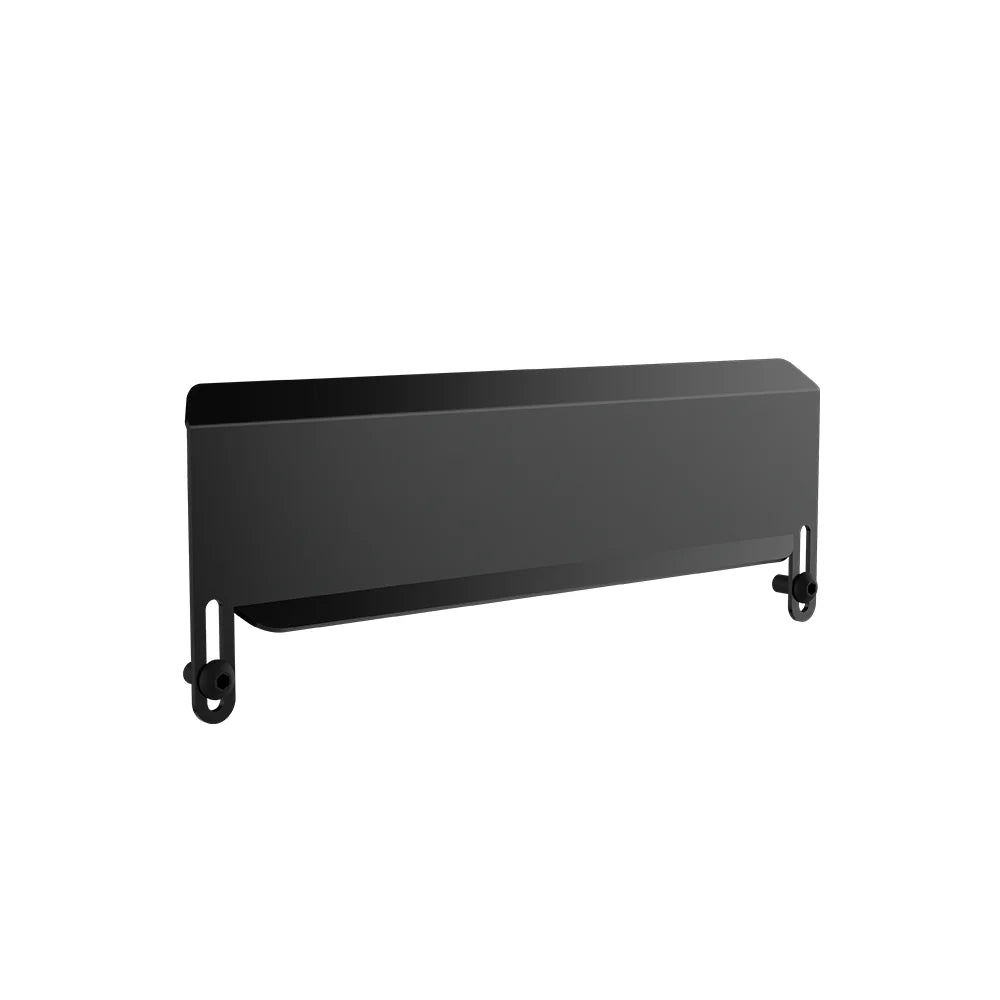
SIMGASM | Heelrest 400mm - Black
Cable routing also changes when the pedal deck rises. Sport and Pro include integrated passthroughs, and Pro splits routing across three zones at the front, centre and rear. That keeps slack under control when geometry moves.
How to decide today
Ask what fills your race calendar. Mostly GT3, touring cars or rally? Set up GT and stay there. Mostly open wheel? Build formula and enjoy the immersion. Mixed? Choose a chassis with enough length and rated load to support the raised pedal position, then switch when you feel like it.
Compare the tiers in the full simulator cockpit range, or read which sim racing cockpit is right for me if you are still weighing up your options.
Frequently asked questions
These questions come up whenever drivers rethink their position.
Is a formula position faster than a GT position?
Neither is inherently faster. What matters is consistency. A position that keeps your braking pressure repeatable and your arms relaxed produces better lap times than one that simply looks aggressive.
How long does it take to switch layouts?
On an aluminium profile chassis with adjustable pedal height and angle, most drivers switch in minutes. The pedal deck and seat angle do the work, and nothing needs to be drilled or replaced.
Do I need a different seat for formula racing?
Not necessarily. A bucket shell works for both, although a formula style shell with a deeper recline makes the laid back position more comfortable over long stints.
Does a reclined position need a stiffer frame?
It helps. Raising the pedal deck increases leverage on the chassis, so a deeper main profile and a higher rated braking load keep the setup stable under hard braking.
Want advice on your ideal geometry, or ready to pick your race sim cockpit? The drivers at SIMGASM will happily talk it through with you.


