


Price is the first question almost every driver asks. And it is a fair one, because the cockpit is the part of your setup that never gets replaced if you buy it right. In 2026 the answer changed, mostly because direct drive hardware became far cheaper and the frame under it became the weak link. So what should you actually plan for?
The short version: a cockpit sits in three clear price tiers. An entry aluminium profile frame, a mid tier chassis for serious direct drive hardware, and a flagship platform with structural reserve for motion. The gap between those tiers is not decoration. It is profile depth, bracket material and rated load, and every one of those numbers changes how the car feels through your hands.
What drives the price of a sim racing cockpit?
Aluminium profile is sold by the metre and priced by its cross section. A 40 x 40 mm beam uses far less material than a 40 x 160 mm beam. That difference alone explains a large part of the price gap you see across any sim racing cockpit range.
Stiffness follows the depth of the beam, not its width. Double the depth of a profile and it becomes roughly eight times stiffer in bending. That is why a deeper chassis costs more and why it feels completely different under a strong wheel base. You pay for millimetres, and you get control in return.
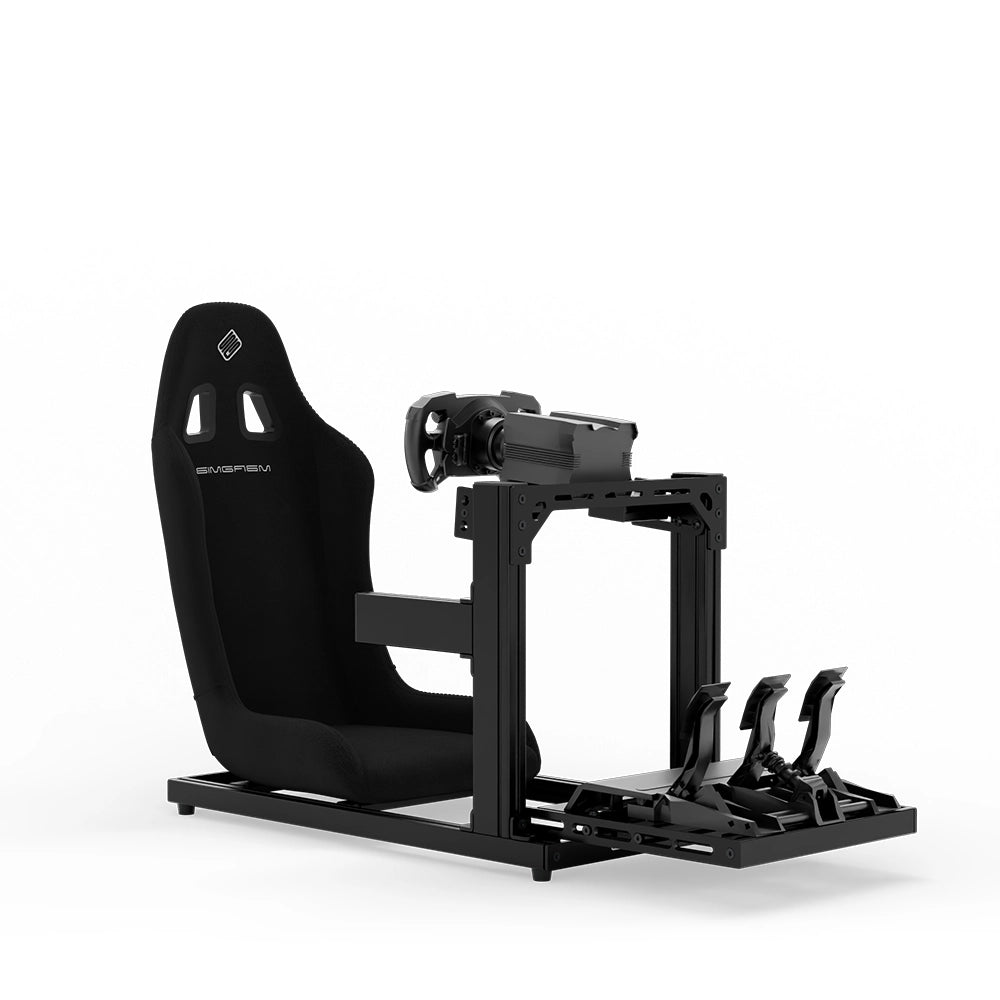
SIMGASM | Hobby Aluminum Sim Racing Cockpit - Black
Brackets matter just as much. Thin folded plates flex under load and creak over time. Thick steel reinforcement at the wheel deck and pedal deck adds weight, adds cost and removes movement. The bill of materials tells the story long before you sit in the seat.
Which tier fits which hardware?
The SIMGASM range shows the ladder clearly. Hobby uses a 40 x 40 mm main profile and carries a rated braking load of 150 kg at the pedal deck. Club steps up to 40 x 80 mm and 200 kg. Sport moves to 40 x 120 mm and 300 kg, and Pro uses 40 x 160 mm with the same 300 kg rating plus heavy duty steel reinforcement at critical mounting points.
Those braking numbers are the ones to watch. A load cell brake asks for real pressure, often 40 to 60 kg for a firm stop. Add a heavy driver pushing back into the seat and the pedal deck sees far more than most people expect.
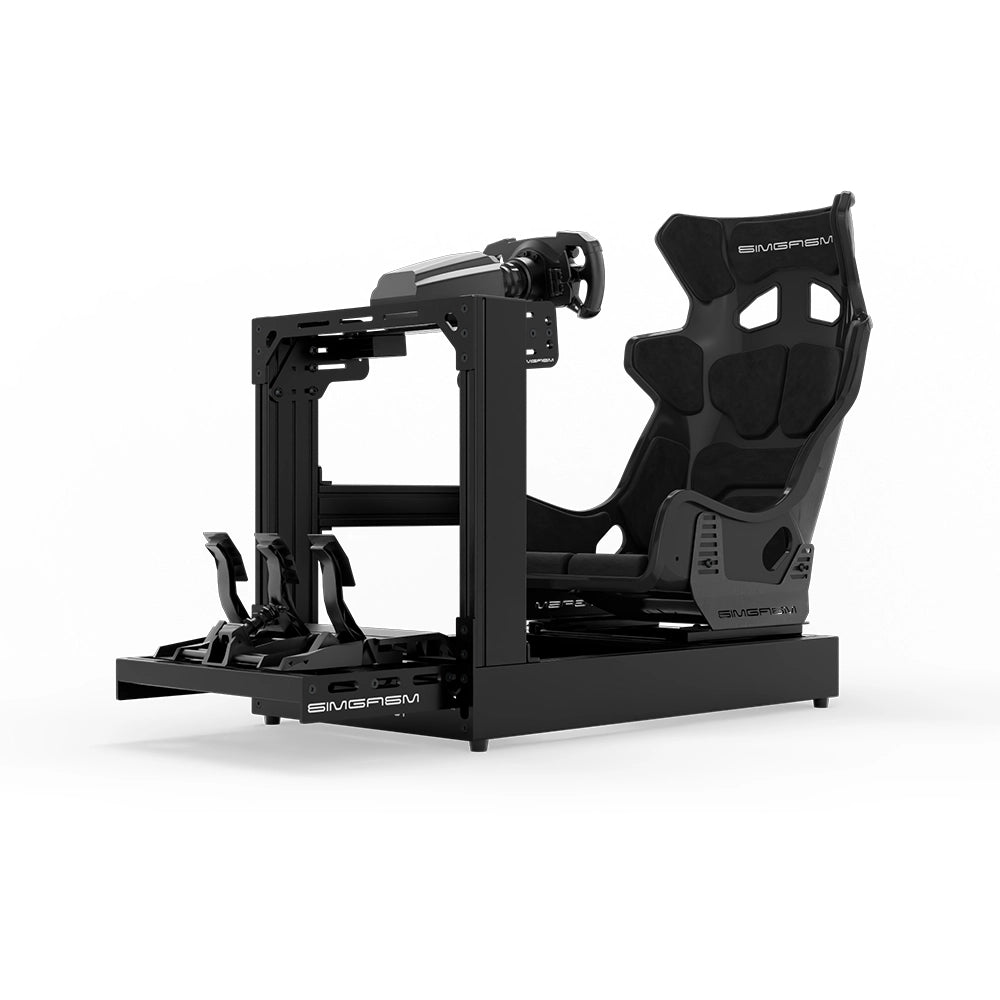
SIMGASM | Sport Aluminum Sim Racing Cockpit - Black
What is not included in the cockpit price?
This is where budgets quietly break. A cockpit is a chassis. It arrives with the aluminium profiles, the structural brackets, the wheel mount you selected, the assembly hardware and tools, white gloves and the assembly guide. Sport and Pro also include a heel rest, rubber feet and the Apex side profile arm for a shifter or handbrake.
The seat is separate. So are the seat slider, the wheel base, the steering wheel, the pedals, the shifter, the monitor stand and the display. Plan those as a second line in your budget, not as an afterthought. Our guide on building your own rig versus buying one goes through that calculation in more detail.
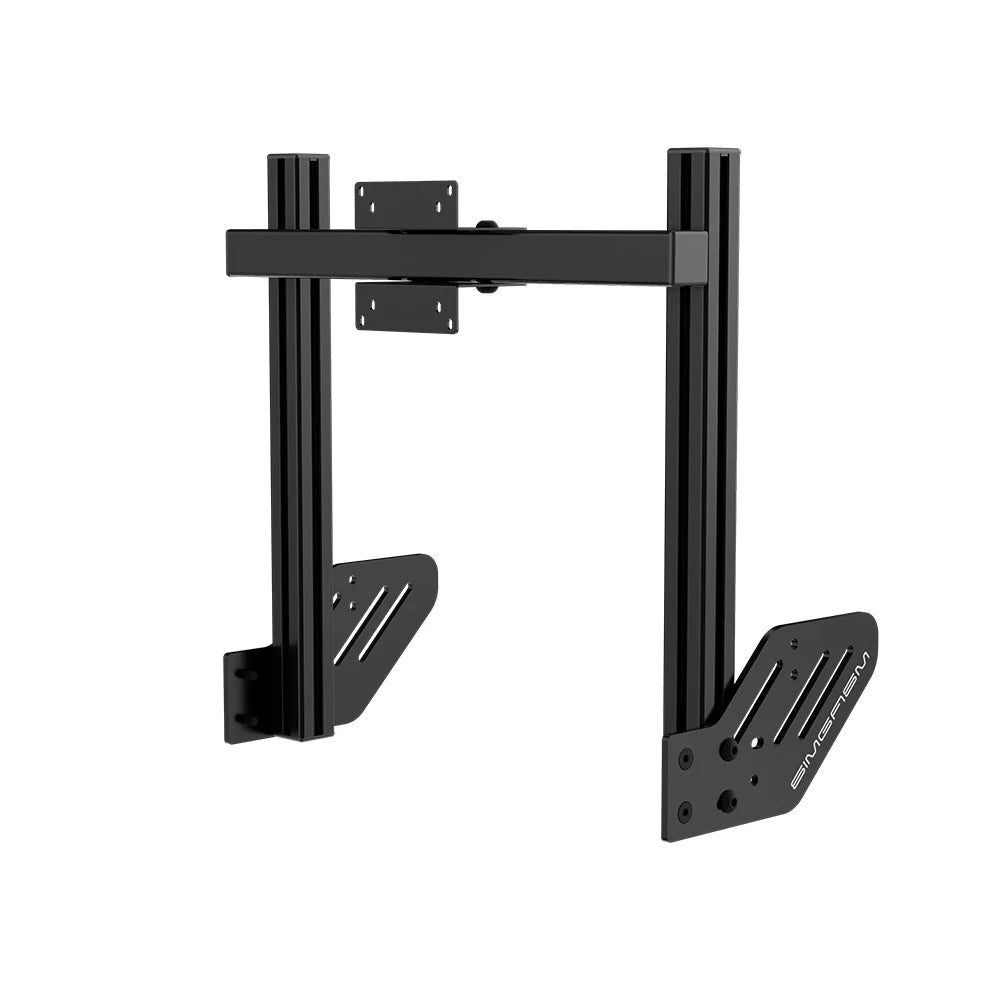
SIMGASM | Core Integrated Single Monitor stand Vesa 75/100 - Black
Do shipping and assembly add cost?
Shipping depends on volume and weight, and profile rigs are heavy. Hobby weighs about 20.5 kg and ships in a single box. Sport lands near 39 kg across two boxes, and Pro reaches 45 kg. SIMGASM covers the shipping cost once an order passes the free shipping threshold, which changes the sum on larger builds.
Assembly costs you time instead of money. Every SIMGASM cockpit ships with tools and a manual, and the Hobby also has a step by step assembly video. Most drivers finish a build in an afternoon.
Why the cheapest frame is rarely the cheapest choice
Here is the pattern we see constantly. A driver buys a budget frame, upgrades the wheel base six months later, then discovers the deck flexes under peak torque. The frame gets replaced, and the first purchase becomes a sunk cost.
Buying one tier above your current hardware usually costs less over two years. A modular racing cockpit also keeps its value, because T slot profiles accept accessories from almost any ecosystem. You extend instead of replace.
Colour and livery options change nothing structurally, so let them be the last thing you decide. If you want the full comparison of frame materials first, read aluminium versus steel sim racing cockpits.
How to set a realistic budget
Start with your wheel base torque. Match the cockpit tier to that figure, then add one step if you plan to upgrade within two years. Next, budget the seat and slider, because seating position controls braking force more than most drivers realise.
Then add screens and mounting. A single integrated stand keeps the footprint tight. A triple screen setup or an ultrawide needs more space, which you can check against our guide on how much space a sim racing cockpit needs. Finish with accessories such as a button box, a cup holder or a keyboard mount.
Every SIMGASM cockpit carries a two year warranty and a 30 day risk free return window, which takes some of the risk out of the decision.
Frequently asked questions
These are the questions drivers ask most often before they set a budget.
Is an aluminium profile cockpit worth the extra cost?
For direct drive hardware, yes. Aluminium profile frames remove flex, accept accessories anywhere along the beam and keep their resale value. Steel tube frames cost less but fix your geometry in place.
Does a more expensive cockpit make you faster?
Indirectly. A rigid frame delivers force feedback detail without loss and keeps your braking pressure consistent. That improves lap time consistency more than outright pace.
Can you start small and upgrade later?
Yes. Start with a compact tier, then add a monitor stand, a shifter arm or extra profiles as your setup grows. T slot construction means you bolt on parts without replacing the chassis.
Which cockpit tier suits a load cell brake?
Look at the rated braking load at the pedal deck. Hobby is rated for 150 kg, Club for 200 kg, and both Sport and Pro for 300 kg. Strong load cell or hydraulic pedals belong on the higher tiers.
Would you like to compare tiers side by side, or buy your best sim racing cockpit straight away? The team at SIMGASM will be happy to help.


